
The COVID-19 outbreak has touched every part of our day to day lives this year. With much of the population spending an increasing amount of time at home, so it’s no surprise that internet usage has skyrocketed.
There has been a massive shift in time spent on social media or streaming videos to stay entertained. As well, people are turning to the internet to find answers that will reassure them as they face uncertainties in this ‘new normal’. Do I qualify for emergency financial support? Is it safe to fly domestically? Where can I buy a high-quality mask?
Now more than ever, it’s vital to help your audience find the information they need to make day-to-day decisions and to help them find answers to the many questions they may have. With that in mind, we have created this guide to provide our top COVID-19 SEO tips so you can help your audience to find your resources with ease.
COVID-19 Keyword Planning: Keyword Blocking
First things first, it’s important to note that search terms containing COVID-19 related keywords have been blocked by keyword planning tools such as Google Keyword Planner and Ahrefs.
This move from keyword planning tools and digital ad platforms was essential to prevent organizations from advertising and profiting from the pandemic as a result.
However, it does mean that if you are looking for search volumes for COVID-19 related keywords, then you are likely to struggle. The good news is that there are other SEO tools that you can use to guide you and many different ways you can ensure your content is optimized, so your audience can find it easily.
COVID-19 Keyword Planning: Research COVID-19 Search Trends with Google Trends
Google Trends is an excellent tool to gain insights into the popularity of search terms over time.
It won’t give you a breakdown of exact search volumes for specific COVID-19 keywords, but it does provide a clear insight into the demand for COVID-19 related content and how it has changed as the pandemic developed.

Unsurprisingly, the number of people searching for coronavirus queries peaked in March. The coronavirus outbreak had just become a pandemic, and we were all frantically searching for more information.
Since then, the number of people searching for ‘coronavirus’ has decreased and leveled out, but the demand for information is far from over. Searches related to masks, for example, continued to increase after the coronavirus search frenzy began to calm.

As people have gained a clearer understanding of COVID-19, they are shifting towards searching for information around how it is affecting them personally and adjustments they can make to live with it.
Whether that’s searching for the best masks to buy or further information on emergency financial support, there is a lot of important information that people need to be able to find with ease.
Choosing Relevant COVID-19 Keywords that Don’t Contain ‘COVID-19’
Depending on the content you are writing, there are likely to be several related keywords that you can gather search volumes for when completing your keyword research. For example, when researching keywords for this blog post, it would have been helpful to know the keyword volumes for searches such as ‘COVID-19 Keyword Planning’ or ‘COVID-19 SEO Tips’.
As that wasn’t possible, we instead used for similar keywords, just without ‘COVID-19’, such as ‘Keyword Planning’ or ‘SEO Tips’.

As you can see, there are still considerable search volumes for these keywords. Given the trends of COVID-19 related search queries this year, it’s likely that variations of these keywords that include ‘COVID-19’ are popular too.
New to SEO?
At Maven Collective Marketing, our team are expert in Search Engine Optimization (SEO), and can help your site to rank higher in search results to drive the organic traffic you deserve.
If you would like any help with your SEO, get in touch today and see why we just got our fourth straight 5-star review!
COVID-19 SEO Tips
Keyword planning is, of course, a crucial part of optimizing your resource for search. However, there are many other pieces of the puzzle. Here are our top COVID-19 SEO tips that you can implement to make it easier for your readers to find your content.

COVID-19 SEO TIP 1: Keep Content Compelling, Educational & Factual
First things first, creating thorough, high-quality content is essential to SEO. Your content needs to provide a great answer to the searcher’s question, so should be well researched, well written and give a good user experience.
When discussing COVID-19 SEO tips and content, this is more important than ever. There is a lot of false information out there, so it’s important to build content on thorough research to avoid contributing to the spread of misinformation.
Also, we recommend including links in any COVID-19 content back to core sources of information such as the World Health Organization, or your local government response. This ties into our next COVID-19 SEO tip…
COVID-19 SEO TIP 2: Build Links to Other Sites with Relevant Content
It’s good practice to link to other sites and resources from your content. Although it may feel counterintuitive, there are several good reasons for doing this.
Search engine algorithms learn a lot about your site by looking at the websites that your content is linking to. Linking to other resources and reputable sites will help search engines determine the relevancy of your content, and relevancy is key to ranking well in search results.
Providing outbound links to other high authority web pages is likely to increase the trustworthiness of your website. Therefore, search engines will have higher confidence in your site and will be more likely to suggest your content to its users.
Linking to other sites can also encourage them to link back to your content…
COVID-19 SEO TIP 3: Encourage Other Sites to Link to You
When a reputable site has an external link to your content, this is called a ‘backlink’. Backlinks are really important for SEO as they are essentially another site giving your site a stamp of approval.
The most valuable backlinks are those that come from popular, high-authority sites. If you can encourage these sites to link back to your content, it will go a long way to increasing the trust that search engines have in your content and improve the overall authority of your site.
There are many backlink analysis tools that can help you to review your backlinks and help you discover the types of sites that are linking to yours, for example, Moz Link Explorer and Google Search Console.
COVID-19 SEO TIP 4: Fix Anything That is Slowing Down Your Site

Having a fast page speed, or page load time is vital to ranking well in search results. And, it goes without saying that it’s a massive factor in user experience. The longer it takes for your page to load, the higher your bounce rate will be.
You can easily find out your page load speed using Google’s PageSpeed Insights tool. When you enter the URL for the page you’d like to examine, PageSpeed Insights will give you an overall page speed score followed by opportunities for improvement.
COVID-19 SEO TIP 5: Monitor and Respond to Your Web Analytics
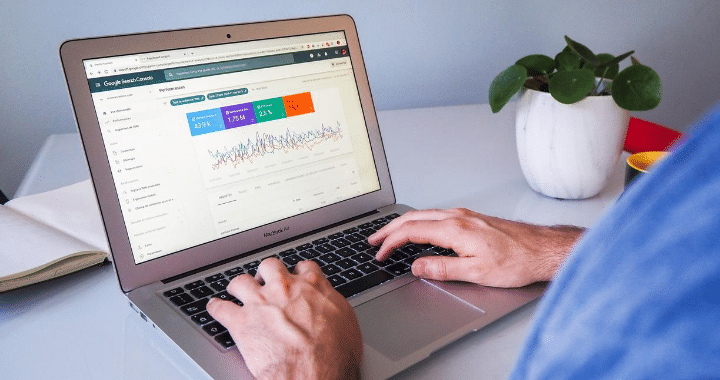
SEO isn’t something that is ever ‘done’. There will always be ways that you can improve, tweak and adjust your content or website to improve your search engine rankings and authority. Analytics platforms like Google Analytics are a great way to track the results following any changes you make. Another great tool is Google Search Console, which you can use to determine the keyword phrases that are driving the most traffic to your site.
Keeping a close eye on your analytics platforms can provide invaluable insights that you can use to guide further updates and improvements to your site, or even as inspiration for new content ideas.
COVID-19 SEO Tips: Final Thoughts
We hope these COVID-19 SEO Tips help you to get more from your content and provide useful, engaging content to your audience. Organic SEO can take a long time to build, but by following best practices, you will be able to experience long term benefits and get the most from your web content.
At Maven Collective Marketing, our team are expert in organic Search Engine Optimization. So, if you would like some help improving your sites ranking across search engines, get in touch today! We’d love to hear from you.